Choosing the Right Flooring for Your Kitchen
- Travis Andersen

- May 26, 2025
- 6 min read
Key Takeaways
When you embark on the journey to select the perfect flooring for your kitchen, you're opening the door to a world of possibilities. The right choice not only enhances the aesthetic appeal of your space but also addresses practicality and durability. Consider the daily hustle and bustle in the kitchen; a resilient surface like laminate flooring for kitchens can provide both style and longevity. With options ranging from sleek tiles to warm hardwood, each type brings unique characteristics to the table. As you explore various materials, think about maintenance level, moisture resistance, and how each option complements your kitchen's overall design and functionality.
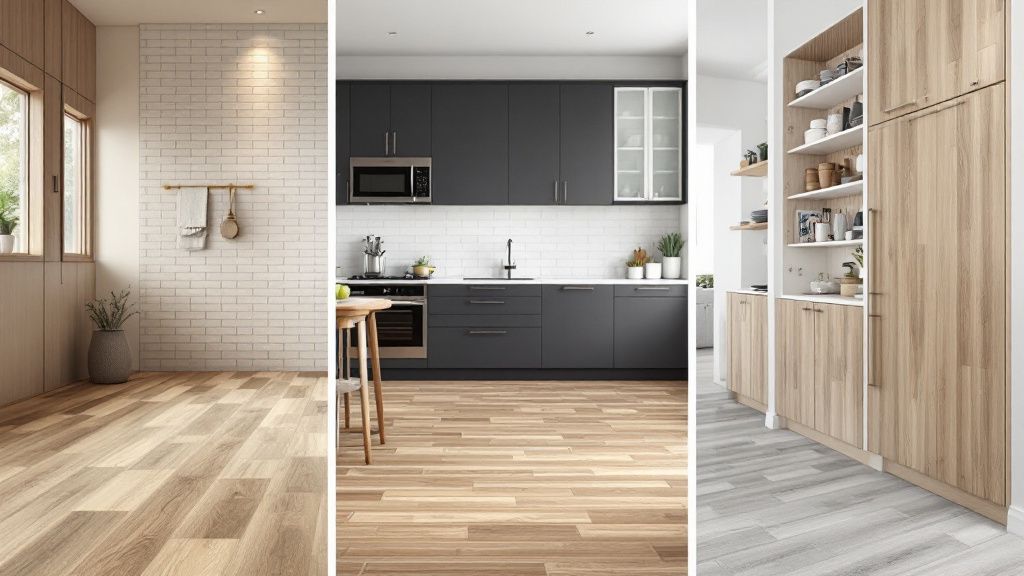
Popular Flooring Options for Kitchens
Exploring kitchen flooring options reveals a variety of materials that cater to different tastes and needs. Ceramic tiles are a popular choice due to their durability and wide range of designs. These tiles resist moisture and are easy to clean, making them ideal for busy kitchens. However, the hard surface might not be as comfortable to stand on for long periods.
Conversely, hardwood flooring adds warmth and elegance to your kitchen. It offers a timeless look and can increase your home's value. Despite this, it requires more maintenance and can be susceptible to water damage, which may not be ideal for every household.
On one hand, advocates for laminate flooring for kitchens appreciate its cost-effectiveness and resilient nature. On the other hand, some critics argue that it lacks the authenticity and warmth of real wood. Balancing affordability with aesthetic appeal can often lead homeowners to seriously consider this option.
Vinyl flooring also emerges as a viable contender, offering water resistance and durability with a variety of styles. It caters to those seeking an affordable yet stylish choice. While not as high-end as other options, it does provide practical solutions for families with high foot traffic and active cooking spaces.
Key Factors to Consider When Choosing Flooring
Selecting the right kitchen flooring involves assessing several key factors to ensure you make a choice that suits your lifestyle and needs. Durability tops many lists, considering the heavy foot traffic and potential spills in the kitchen. Materials like ceramic tiles and laminate flooring for kitchens provide strong resistance to wear and tear, giving you a dependable surface that lasts.
Another important factor is moisture resistance. Kitchens can be prone to spills and humidity, making it essential to choose flooring that can withstand moisture. Vinyl and tile options are often praised for their water-resistant properties, while natural wood might require added protection or treatment to prevent damage.
Comfort and ease of maintenance are also vital considerations. The comfort level of standing on different surfaces all day long can vary significantly. Laminate flooring offers a more forgiving surface compared to stone or ceramic. Plus, it's relatively easy to clean, which suits a bustling kitchen environment.
What most people don’t see about kitchen flooring is the intricate balance between aesthetics, functionality, and cost that every homeowner has to navigate. It’s not just about picking a color or style; it's about how each element meets the needs of your specific kitchen setting and personal preferences. That balance is something PDX Home Revival often helps homeowners achieve during kitchen remodels—blending practical flooring choices with the overall design vision.
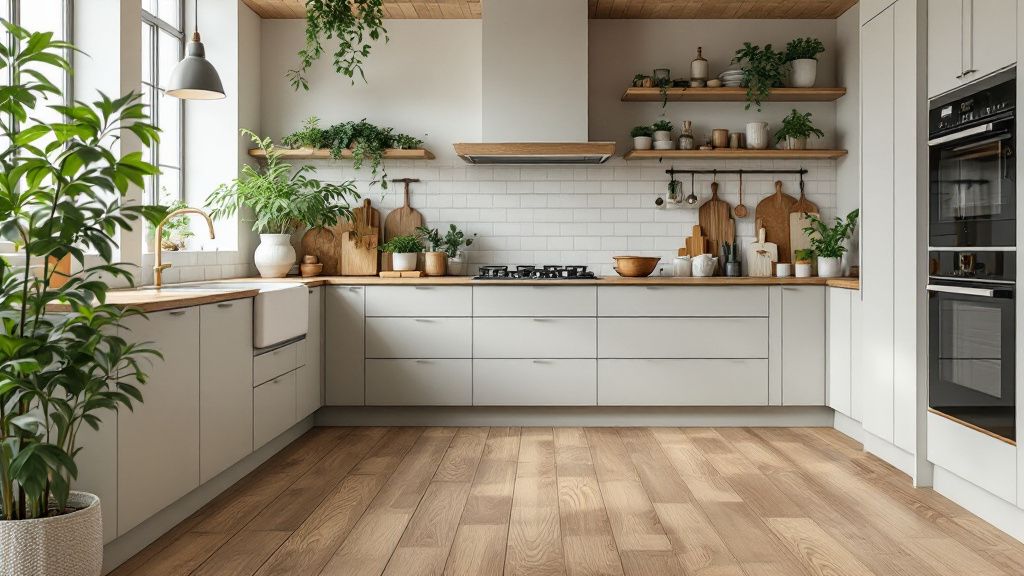
Sustainability in Kitchen Flooring Choices
Sustainability in kitchen flooring is an increasingly important consideration for eco-conscious homeowners. Eco-friendly materials, such as bamboo and cork, are gaining traction due to their renewable nature. Bamboo, for instance, matures quickly and regenerates itself, offering a green alternative to traditional hardwood. Cork is harvested from the bark of trees, ensuring that the tree remains unharmed, making it an excellent sustainable choice.
When thinking about sustainability, consider durability and lifespan as key factors. Durable materials that last longer contribute to less frequent replacements, which in turn reduce waste. Laminate flooring for kitchens, made from recycled materials, offers a sustainable option without compromising on style. Its production process and longevity make it a practical yet eco-friendly choice.
Think of sustainable kitchen flooring as a garden that flourishes over time. Just like plants need the right conditions to thrive, your flooring should complement the environment by supporting both your household's demands and nature itself. Choose materials that minimize environmental impact while still delivering the look and feel you desire.
Incorporating sustainable flooring means aligning with practices that prioritize environmental wellness. It's not solely about aesthetics but also about ensuring the footprint left behind is gentle on our planet. By selecting eco-friendly options, you are making a conscious effort to protect and preserve for future generations.
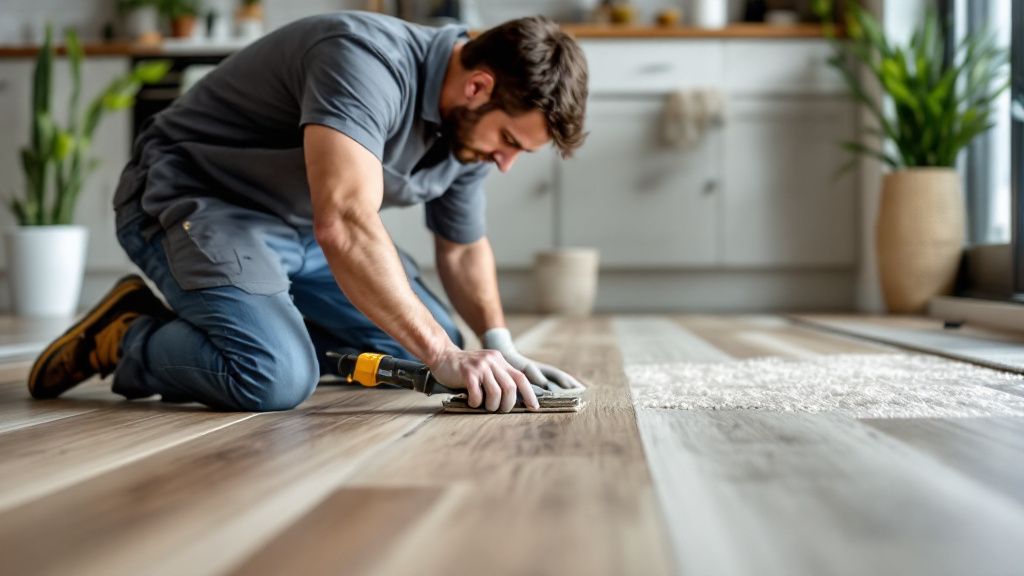
Installation Options for Kitchen Flooring
Exploring installation options for kitchen flooring can offer a variety of methods suited to different materials and preferences. For instance, tile flooring, a popular choice, typically requires professional installation due to its need for precise layouts and grouting. The expertise ensures the tiles are laid correctly, providing a long-lasting and even surface that withstands the rigors of kitchen activity.
Hardwood flooring, while offering timeless beauty, also calls for careful installation to avoid warping and ensure tight seams. Many homeowners choose to have this type professionally fitted, allowing specialists to acclimate the wood and install it properly. The process often involves stabilizing moisture levels, which can be crucial for maintaining its flawless appearance.
Conversely, laminate flooring for kitchens presents a more DIY-friendly approach. With its click-lock design, this type of flooring can often be installed by homeowners themselves. It doesn’t require nails or glue, making it an accessible option for those seeking a quick and cost-effective installation. This method offers the flexibility to update your kitchen flooring without extensive labor.
One unpopular opinion about installation options suggests that vinyl flooring, often seen as a straightforward DIY task, should actually be considered for professional installation. Although it's relatively easy to manage, professional installers can ensure that seams are invisible and that the vinyl lies flat. This can make a significant difference in achieving a high-end finish.
Custom installation solutions are also available for unique layouts or specific design desires. Whether you're dealing with oddly shaped kitchens or aiming for a distinct pattern, professionals can tailor the installation to meet these requirements. The right installer can seamlessly incorporate transitions between different areas of your home, enhancing the overall flow and aesthetic appeal of your space.
Deciding on installation options ultimately involves balancing convenience, cost, and the desired quality of the finished floor. Understanding each method helps you choose the best approach, taking into account your comfort with DIY tasks and the level of investment you wish to make in your kitchen renovation.
Maintaining Your Kitchen Flooring
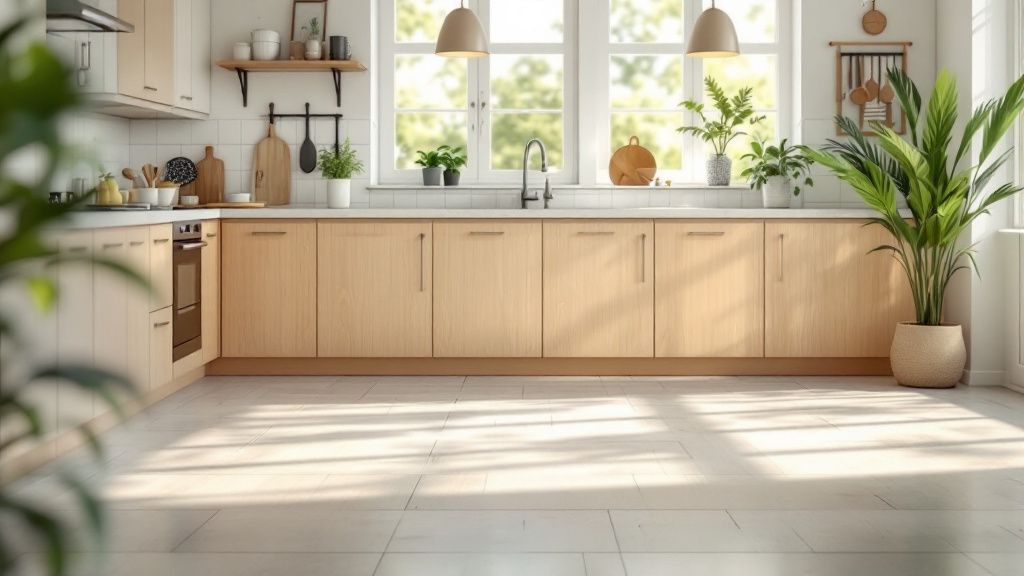
Keeping your kitchen flooring in pristine condition requires regular maintenance tailored to the type of material you have chosen. For tile flooring, routine sweeping or vacuuming removes debris that can scratch the surface. A damp mop with a mild detergent keeps tiles sparkling and grout lines free from stains and buildup, preserving the floor's beauty and longevity.
When it comes to hardwood flooring, periodic cleaning with a specialized wood cleaner is crucial to maintain its natural luster. Wipe up spills immediately to prevent water damage and use rugs or mats in high-traffic areas to minimize wear. Regular polishing can also enhance the wood's finish and protect it from everyday scuffs and scratches.
Laminate flooring for kitchens requires a different approach, as excessive moisture can damage its composition. Use a dry mop or vacuum to clear dirt and dust, and deploy a damp mop for a deeper clean with minimal water. Avoid harsh chemicals and abrasives, opting instead for gentle cleaners specifically designed for laminate surfaces.
Frequently Asked Questions
What is the best flooring for kitchens?
The best flooring depends on your needs; for durability and moisture resistance, tiles or vinyl are excellent choices, while hardwood offers classic aesthetics.
Is laminate flooring suitable for kitchens?
Yes, laminate flooring is suitable for kitchens as it's durable and easy to install, though it's important to manage moisture carefully.
How can I maintain my kitchen flooring?
Regular sweeping and occasional mopping with appropriate cleaning agents helps maintain kitchen flooring, keeping it clean and damage-free.
Are eco-friendly flooring options available for kitchens?
Yes, options like bamboo and cork provide sustainable flooring solutions for kitchens, combining eco-friendliness with functional benefits.
Should I hire professionals to install kitchen flooring?
For complex materials such as hardwood or tiles, professional installation is recommended to ensure proper fitting and longevity.


Comments