Essential DIY Remodel Tips to Avoid Costly Mistakes at Home
- Travis Andersen

- Jan 13
- 5 min read
Home remodeling can be an exciting venture, offering homeowners the chance to personalize their living spaces, enhance functionality, and increase property value. However, without careful planning and execution, DIY remodel projects can quickly spiral into costly mistakes. This article will provide essential tips for a successful DIY remodel , focusing on common pitfalls to avoid and offering practical advice to help you navigate your home renovation journey effectively.
Understanding the nuances of a DIY remodel can significantly impact your overall experience and results. As you embark on this journey, it's important to familiarize yourself with various aspects of the remodeling process, from budgeting to design choices. This guide will cover critical home renovation tips, energy-efficient upgrades , and budget remodeling ideas, ensuring you have the knowledge needed to make informed decisions.
Key Considerations Before Starting Your DIY Remodel
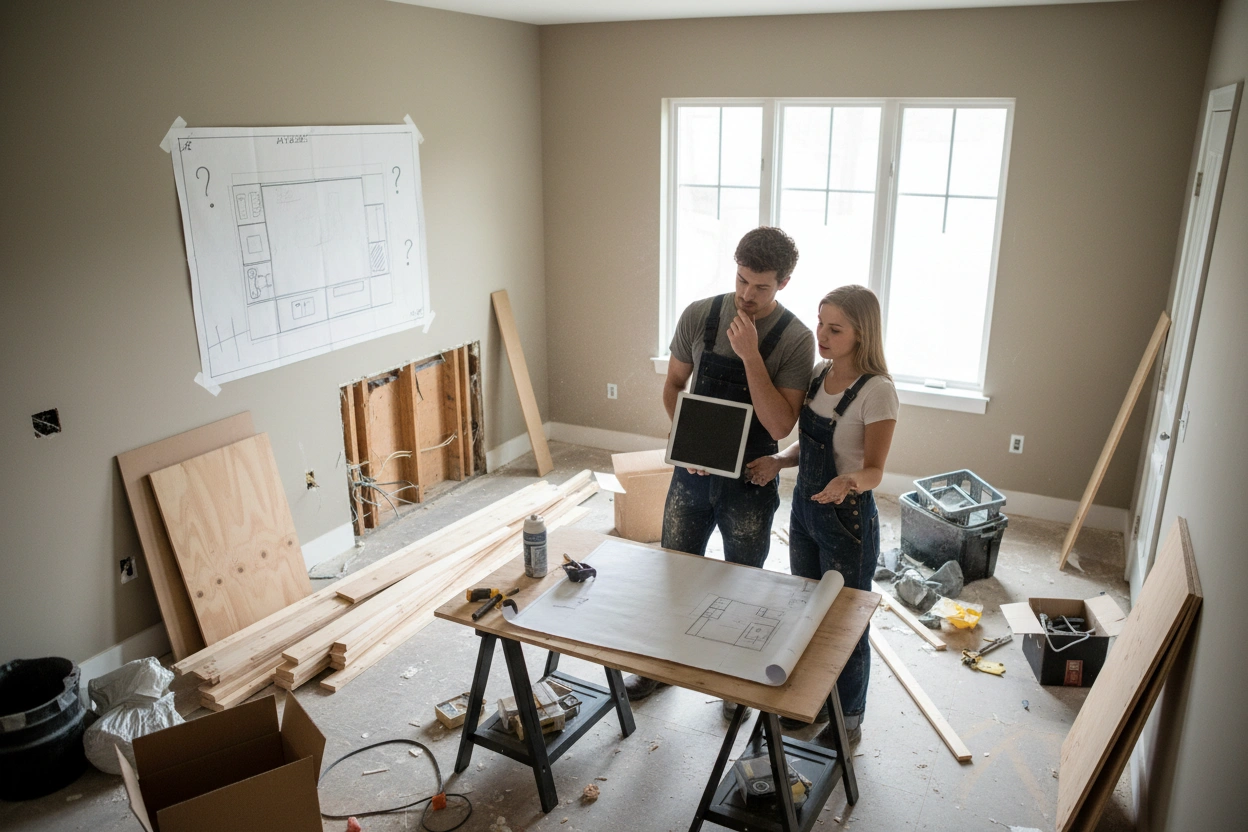
Before jumping into your DIY remodel, there are several key considerations to keep in mind. Failing to address these elements can lead to unnecessary complications and increased costs.
Assessing Your Skill Level
Understanding your own capabilities is essential before commencing a DIY remodel. Some projects may require specialized skills or tools that you may not possess. Here are a few tips to help you assess your skill level:
Evaluate past experiences with home improvement tasks.
Identify which tasks you feel confident completing.
Determine which tasks may require hiring a professional.
Creating a Detailed Plan
A comprehensive plan is the backbone of any successful DIY remodel. Without a clear roadmap, projects can easily go awry. Consider these planning steps:
Define your goals for the remodel, including specific changes you wish to make.
Create a detailed timeline for project phases, including milestones for completion.
Develop a budget that accounts for materials, labor, and unexpected expenses.
Understanding Local Regulations
Before you begin your remodel, it's vital to familiarize yourself with local building codes and regulations. Many jurisdictions require permits for specific projects, such as electrical or plumbing work. To avoid complications, take these steps:
Research local building codes related to your project.
Apply for necessary permits before starting work.
Consult with local authorities if you have questions about regulations.
Budgeting for Your DIY Remodel
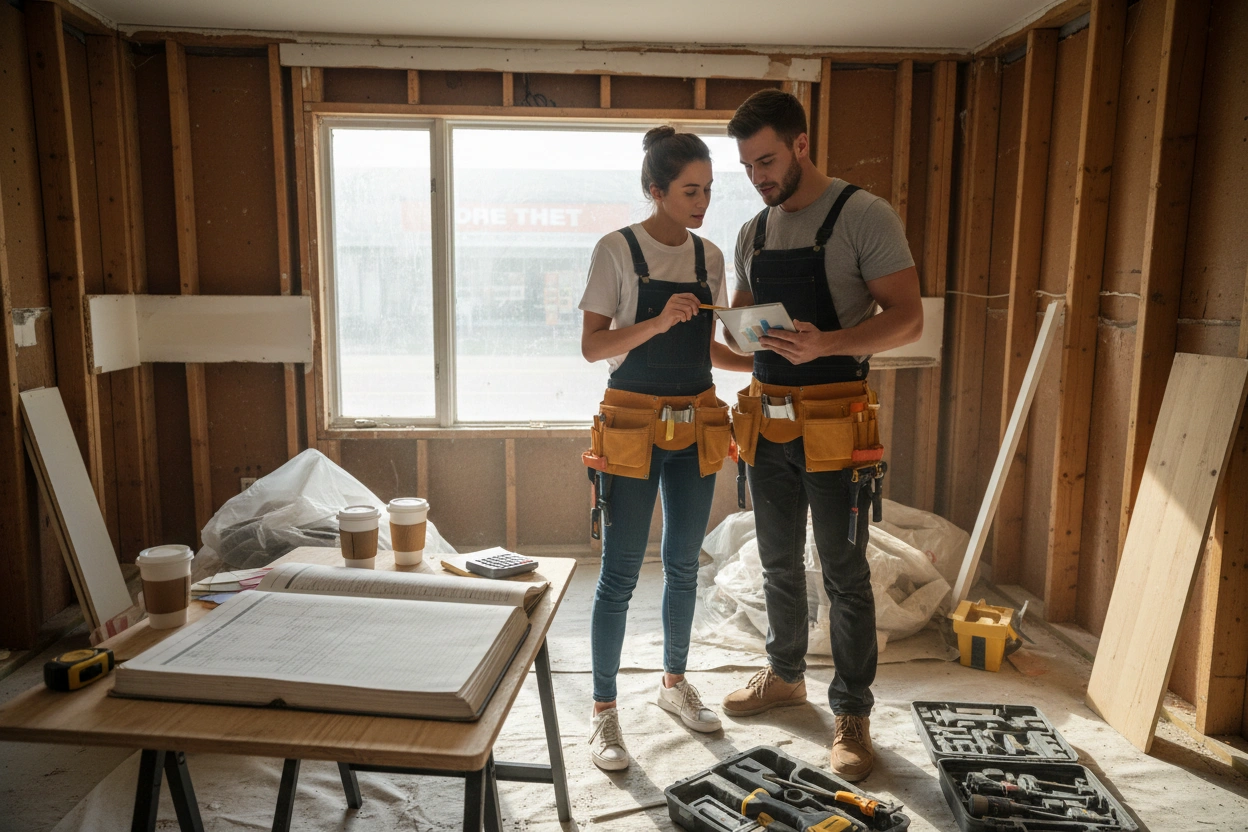
A well-planned budget can prevent financial strain during your remodel. Understanding potential costs and setting realistic financial goals will help you stay on track.
Estimating Costs
When estimating costs for your DIY remodel, consider the following factors:
Material costs: Research prices for necessary supplies, including fixtures, flooring, and paint.
Labor costs: If you plan to hire professionals for specific tasks, obtain quotes in advance.
Contingency fund: Set aside 10-20% of your budget for unexpected expenses.
Finding Budget Remodeling Ideas
Budget remodeling ideas can help you achieve your desired look without breaking the bank. Here are some suggestions:
Repurpose existing materials, such as refinishing cabinets instead of replacing them.
Opt for paint instead of new wallpaper to change the aesthetic of a room.
Shop at local thrift stores or online marketplaces for unique finds.
Common Remodeling Mistakes to Avoid
Even the most experienced DIYers can make mistakes during a remodel. Recognizing common pitfalls can help you avoid costly errors.
Underestimating Time and Effort
One of the most frequent mistakes homeowners make is underestimating the time and effort required for a remodel. To combat this:
Create a realistic timeline that accounts for potential delays.
Schedule breaks to maintain your motivation throughout the project.
Skipping the Research Phase
Failing to research can lead to poor decisions and unsatisfactory results. To ensure a successful remodel:
Gather inspiration from reputable sources, such as design magazines and websites.
Consult with experts or attend workshops to expand your knowledge.
Ignoring Energy-Efficient Upgrades
Incorporating energy-efficient upgrades can save you money in the long run. Here are some upgrades to consider:
Install LED lighting to reduce energy consumption.
Upgrade to energy-efficient appliances that lower utility bills.
Consider adding insulation to improve home energy efficiency.
Best Energy-Efficient Upgrades for Your DIY Home Remodel
Incorporating energy-efficient upgrades into your DIY remodel can significantly impact your home's long-term sustainability and cost-effectiveness. These upgrades not only reduce your environmental footprint but also enhance the comfort of your living space.
Insulation Improvements
Improving insulation is a critical energy-efficient upgrade that can lead to substantial savings on heating and cooling costs. Key areas to focus on include:
Attics: Adding insulation can prevent heat loss during winter and keep your home cool in summer.
Walls: Insulating exterior walls can enhance energy efficiency and comfort.
Basements: Proper insulation in basements can reduce moisture issues and improve overall home energy performance.
Windows and Doors
Upgrading to energy-efficient windows and doors is another effective way to enhance your home’s energy performance. Here are some considerations:
Choose double or triple-pane windows to reduce heat transfer.
Select Energy Star-rated windows to ensure optimal efficiency.
Install weather stripping around doors to prevent drafts and heat loss.
Energy-Efficient Appliances
Investing in energy-efficient appliances is a smart move during a remodel. These appliances not only save energy but also offer advanced features and better performance. Consider these options:
Refrigerators: Look for models with high energy ratings and features like adjustable shelves.
Dishwashers: Select energy-efficient dishwashers that use less water and energy.
HVAC systems: Upgrade to energy-efficient heating and cooling systems for better climate control.
Interior Design Trends to Consider
Staying informed about current interior design trends can help you make choices that enhance your home's aesthetic appeal. Here are some popular trends to consider in your DIY remodel:
Open Floor Plans
Open floor plans continue to be a popular choice among homeowners. This design concept creates a sense of spaciousness and promotes social interaction. When planning your remodel, consider how to create flow between rooms while maintaining functionality.
Sustainable Materials
Using sustainable materials is a growing trend that aligns with the increasing focus on eco-friendliness. Incorporate materials such as reclaimed wood, bamboo flooring, or recycled glass countertops to reduce your environmental impact while enhancing your home's style .
Smart Home Technology
Integrating smart home technology into your remodel can enhance convenience and energy efficiency. Consider installing smart thermostats, lighting systems, and security features that can be controlled remotely, adding both functionality and modern appeal to your home.
The Role of Professional Help in Your DIY Remodel
While many homeowners are eager to tackle DIY projects, some aspects of remodeling may require professional assistance. Understanding when to call in experts can save time, money, and stress.
When to Hire a Contractor
Certain tasks may be beyond the scope of a DIY remodeler. Recognize situations where hiring a contractor is advisable:
Complex electrical or plumbing work: These tasks often require specialized knowledge and permits.
Structural changes: If your remodel involves altering load-bearing walls, professional input is essential.
Time constraints: If your schedule is tight, enlisting help can expedite the process.
Finding the Right Professionals
When selecting a contractor, consider the following tips:
Research local contractors with good reputations and positive reviews.
Request multiple quotes to compare pricing and services.
Verify licenses and insurance to ensure you are hiring qualified professionals.
The Intersection of DIY Remodel and Professional Support
Homeowners embarking on a DIY remodel can benefit from a balanced approach that combines personal effort with professional expertise. While taking on projects yourself can save money and offer a sense of accomplishment, knowing when to seek help is equally important. PDX Home Revival understands the unique challenges homeowners face in the Portland metro area and can provide valuable guidance throughout your remodeling journey.
By applying the essential tips discussed in this article, you can avoid common mistakes and make informed decisions that enhance your home. Whether you are planning a kitchen remodel, bathroom renovation, or a complete home makeover, integrating energy-efficient upgrades and current design trends will result in a more sustainable and stylish living environment.
If you are ready to take the next step in your DIY remodel, consider partnering with PDX Home Revival. Our team of experts can help you navigate your home renovation, ensuring you achieve your vision while avoiding costly pitfalls.
Contact PDX Home Revival today to learn more about how we can assist you in bringing your DIY remodel dreams to life.


Comments